
Zambian food tours
Our Featured Tours
Traditional Zambian meal at a local home
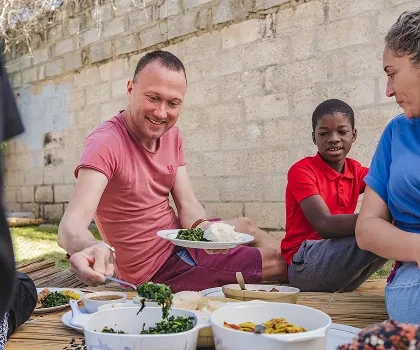
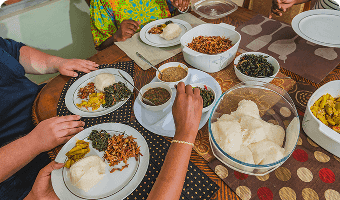
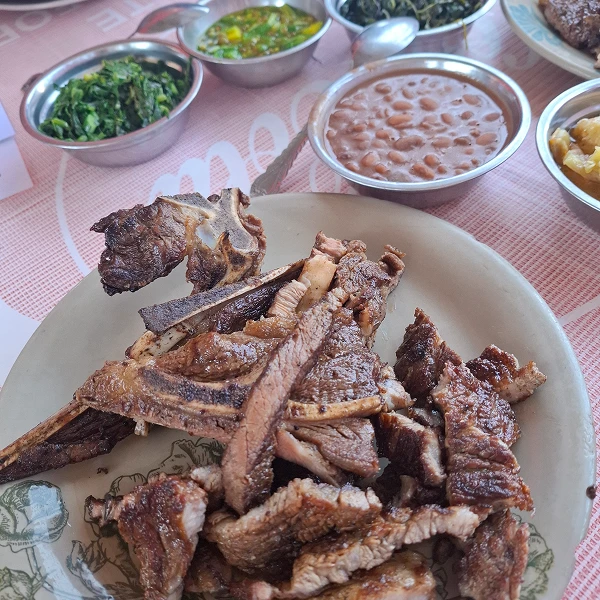
Welcome home! You are warmly invited to experience the real taste of Zambia as a guest in a local home. Enjoy home-cooked Zambian traditional foods that you rarely find in restaurants. We promise you an unforgettable meal and a new neighbor that you can call your friend.
Half Day Food Adventure: A Culinary Safari Off the Beaten Path
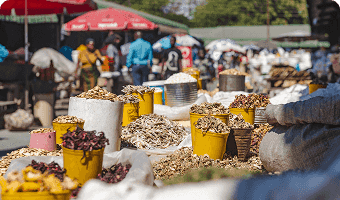
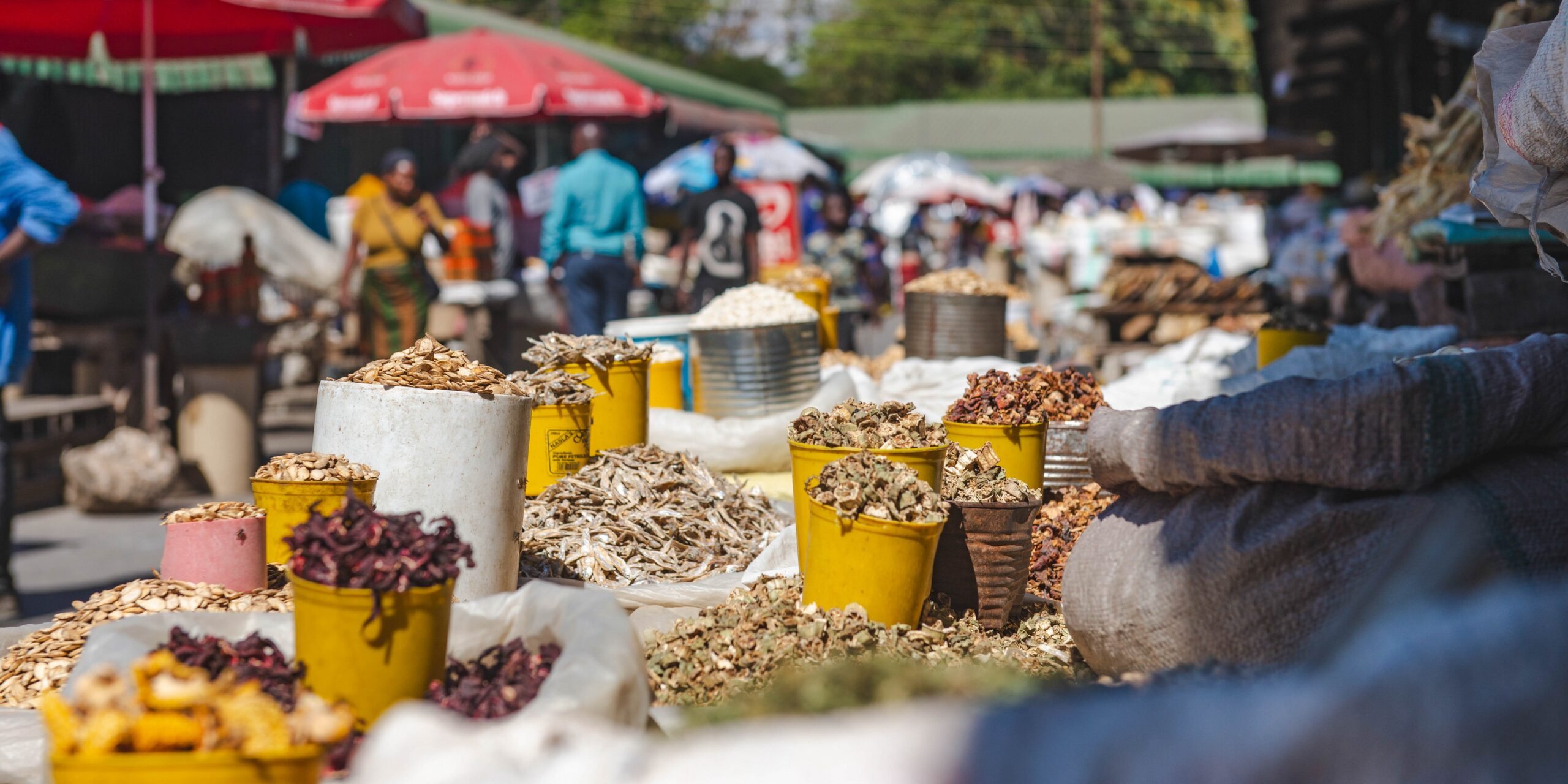
Wander through a bustling local market, where friendly guides reveal hidden culinary gems and share the untold food history of their neighborhoods. Then, settle in for a feast of over eight traditional dishes, each bite a delicious story of culture, heritage, and the warmth of true local hospitality.
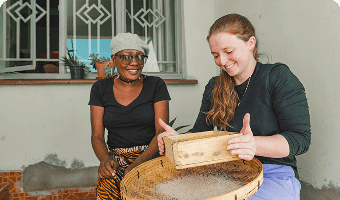
Authentic Cooking Class in a Local Home
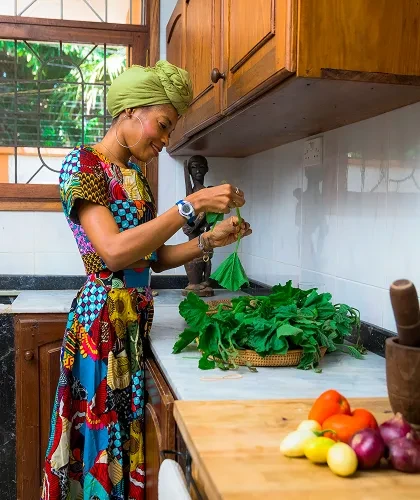
Explore Zambian cuisine through a cooking class! One of our lovely hosts will invite you into her home kitchen and teach you to cook common Zambian foods not usually found in restaurants. After cooking, the guests will eat the food together in the traditional way.
In Association with



What is Zambian Food?
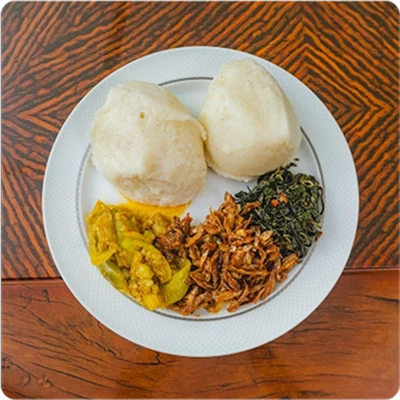
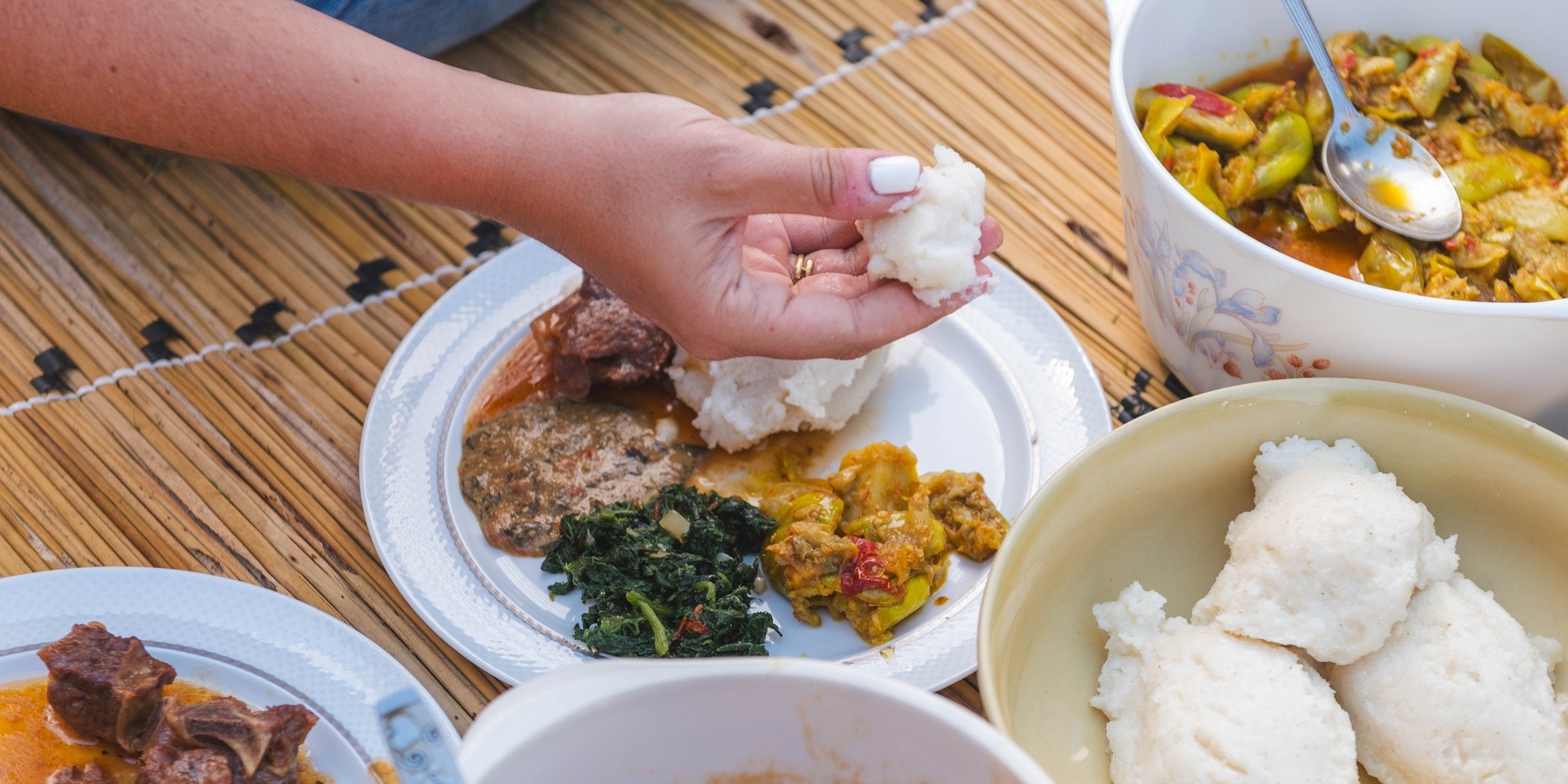
Zambia’s 72 tribes have one thing in common: We love our staple food, nshima. Nshima is usually made of corn flour and water, although some tribes use cassava, millet, or sorghum flour. We never use wheat flour for nshima; in fact, Zambian traditional food is great for a gluten-free diet.
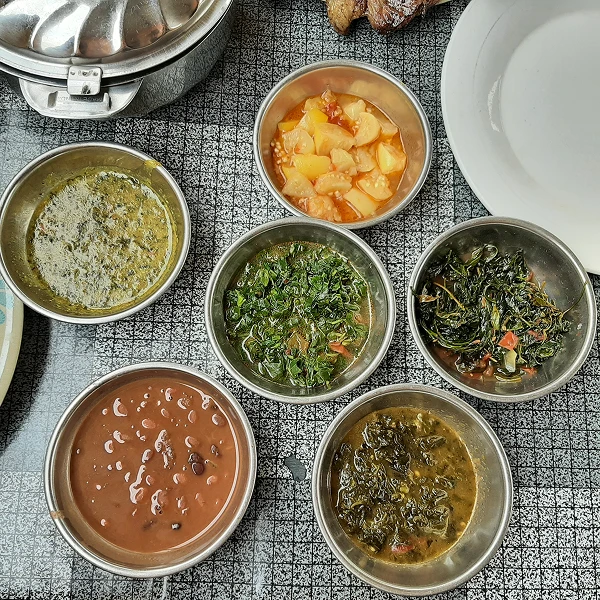
We eat nshima with our hands together with various “relishes” (side dishes). Our food is very fresh, and our cooking style brings out the natural flavor. We usually add salt, tomato, and onion to relishes, and we never add chili (“pili pili”) when cooking, although some people like to add it to their plate later.
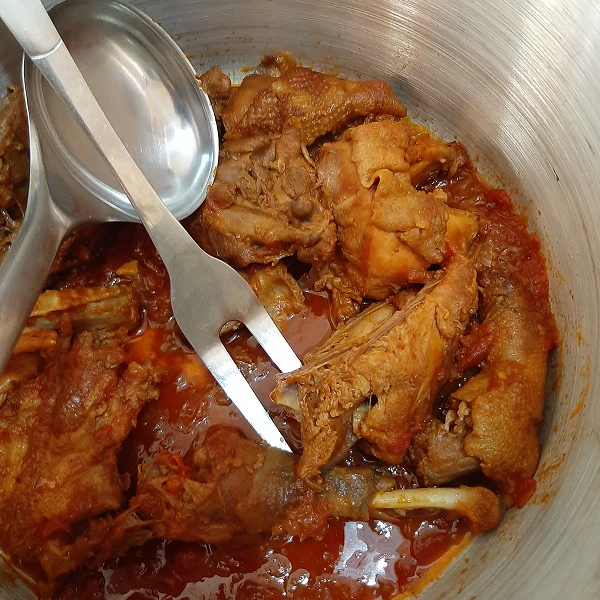
Zambia is a great place for vegetarians, with an abundance of delicious traditional vegetables, often cooked in peanut sauce. Common Zambian relishes include a steamed green vegetable, like okra or pumpkin leaves. We also add a protein, like “village chicken” (free range) or fish from one of the many lakes and rivers.
Most meals are taken with drinking water, but we also enjoy traditional drinks like munkoyo or chibwantu. We serve the traditional drink at room temperature, but we boil it during preparation so it is safe to drink.
➡️ Download your free “Eat Like a Local, Safely” guide now and get insider food safety tips straight to your inbox.
Excited to visit Zambia?
Tips for planning your Zambia holiday
Zambia has some of the best game parks in Africa, including South Luangwa, Lower Zambezi, and Kafue National Park.
parks are teeming with four of the “Big Five” – lion, leopard, elephant and buffalo (the fifth – rhino – are heavily protected), as well as several species of antelope, giraffe, hyena, zebra, wild dog, and more. Unlike the savannas of East Africa, most Zambian parks have large areas of woodlands, including many indigenous fruit trees. Fun fact: These wild fruits, such as pod mahogany, musuku, and mufinsa, attract one of the largest mammal migrations in the world. Ten million fruit bats come to Kasanka National Park, in northern Zambia, every October to December.
Admittedly, Lusaka doesn’t have a wide variety of tourism activities, but it is generally safe and most people speak English. This makes Lusaka a great city to immerse yourself into the local social scene, which usually revolves around food and drinks. Definitely add a Jiranileo food tour to your itinerary, and check out Lusaka365 for a weekly schedule of events in Lusaka.
Livingstone Zambia has quite a different feel than Victoria Falls Zimbabwe. We recommend you take a short taxi from Victoria Falls into town, using the Livingstone Museum as your central point, and stroll off Mosi-Oa-Tunya Road (the main road) into the quiet neighborhoods lined with old-growth mango trees.
Even in today’s modern lifestyle, our culture revolves around our traditional food. Check out our recent blog posts for our insider information on food in Zambia and things to do in Lusaka and Livingstone.
Read More About Zambia
Frequently Asked Questions About Zambia Travel
What is the location of your food tours in Zambia?
Jiranileo offers food tours in Lusaka and in Livingstone (the Zambian side of Victoria Falls). If you have booked a tour with us, you will receive an email the day before a tour with detailed directions to the exact meeting point or host’s home.
What can I expect from a food tour in Zambia?
Zambian food tours are friendly, casual, and fun. We offer all three types of food tours – home-hosted meals, neighborhood tours, and cooking classes – which are 2-4 hours in length and led by English-speaking women and youth.
Can I book a food tour for tomorrow?
If you want a food tour for tomorrow, contact us right away and we will do our best to accommodate you. Check our last minute booking page for more details.
How easy is it to find a meat-free meal in Zambia?
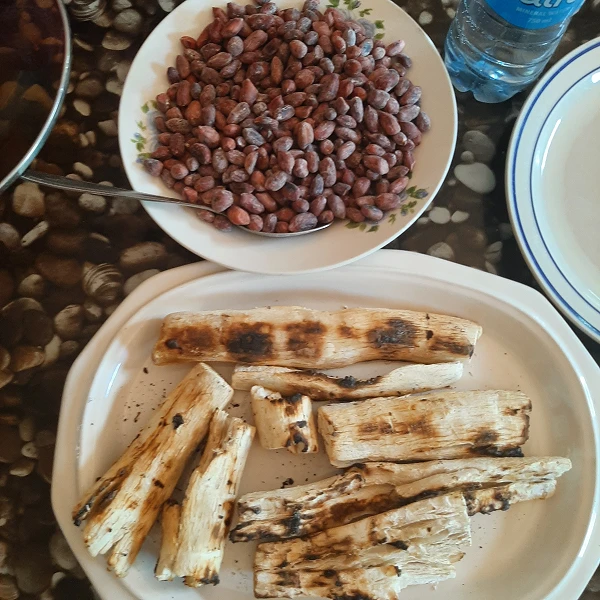
Zambian cuisine has a wide variety of vegetables and beans for delicious meat-free options, although you might need to search the restaurant menu to find them. Jiranileo food tours can accommodate meat-free diets; just let us know at the time of booking. Check out our blog on eating meat-free in Zambia for more information.
Is it safe to travel in Zambia with food allergies?
If you have a peanut, soy, or sunflower allergy, we do not consider it safe to eat in Zambia. However, it is a very easy place to eat if you require a gluten-free diet. Jiranileo food tours aim to accommodate guests with food allergies; just let us know at the time of booking.
We have compiled a detailed list of food allergy information for traditional Zambian food, found in our Eat Like a Local, Safely” guide.
How safe is Zambia for tourists?
Zambia is generally safe for tourists, and Jiranileo has measures in place to ensure our guests are safe on our tours.
What language do they speak in Zambia?
Zambia has 7 major languages: Bemba, Nyanja, Lozi, Tonga, Kaonde, Luvale, and Lunda. All of our Jiranileo hosts and guides in Zambia speak English and at least one of the major Zambian languages.
What is the best time of year to visit Zambia?
Zambia has three seasons.
- The rainy season in Zambia starts in late November and continues into early March. Most days are intermittent rain and sun, making Zambia quite pleasant in the rainy season, especially when the water level of Victoria Falls reaches spectacular levels near the end of the rains. However, some safari camps close for a few months due to impassable roads in the game parks.
- The cool and dry season is from April to July. In our opinion, this is the best season for travel in Zambia because Victoria Falls are at the maximum, the weather is comfortable for safari, and the dry grasses make spotting animals easier in the game parks.
- The hot and dry season in Zambia starts in August and continues through the start of the rains, around the end of November.
Jiranileo food tours are a great thing to do in Lusaka and Livingstone all year round. Our home-hosted meals and cooking classes are held daily, regardless of the weather. However, there is a chance our neighborhood tours may be postponed or cancelled if there is particularly hard rain.