
Tanzania food tours
Our Featured Tours
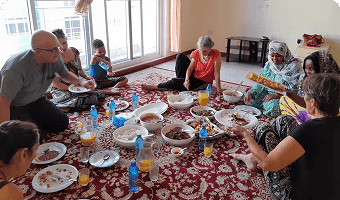
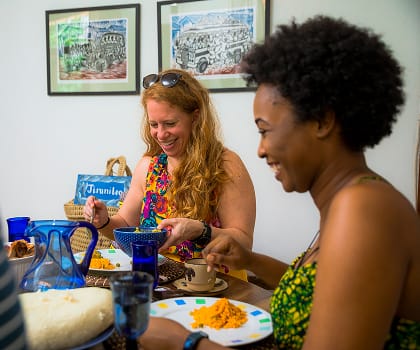
Traditional meal at a local home
Sign up to our newsletter to get notified of when our bookings open for Tanzania food tours.
Coming soon! We can’t wait to bring you to local homes around Tanzania mainland and Zanzibar to enjoy traditional food that you won’t find in restaurants. If you’re planning your trip, let us know so we can invite you to our first meal.
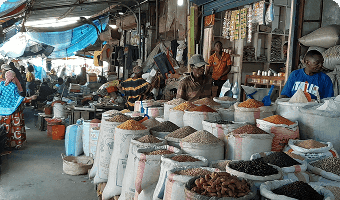
Neighborhood Food Tour
Sign up to our newsletter to get notified of when our bookings open for Tanzania food tours.
Coming soon! We can’t wait to bring you to discover the best traditional food in neighborhoods around Tanzania mainland and Zanzibar. If you’re planning your trip, let us know so we can invite you to our first off-the-beaten path food tour.
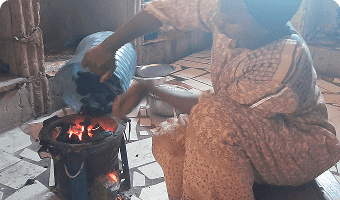
Authentic Cooking Class in a Local Home
Sign up to our newsletter to get notified of when our bookings open for Tanzania food tours.
Coming soon! Get ready to learn how to cook the traditional foods from Tanzania mainland and Zanzibar. If you’re planning your trip, let us know so we can invite you to our first class.
What is Tanzanian food?
Tanzania has over 55 million people. While we share a common national language, Swahili, we have a diverse cuisine reflecting our many regions and cultures.
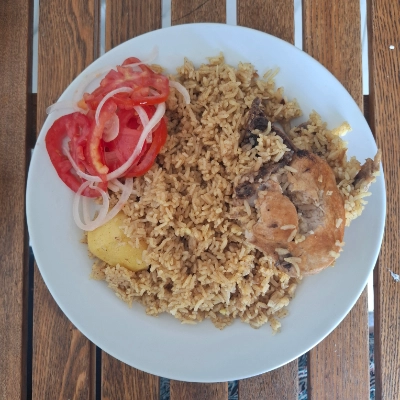
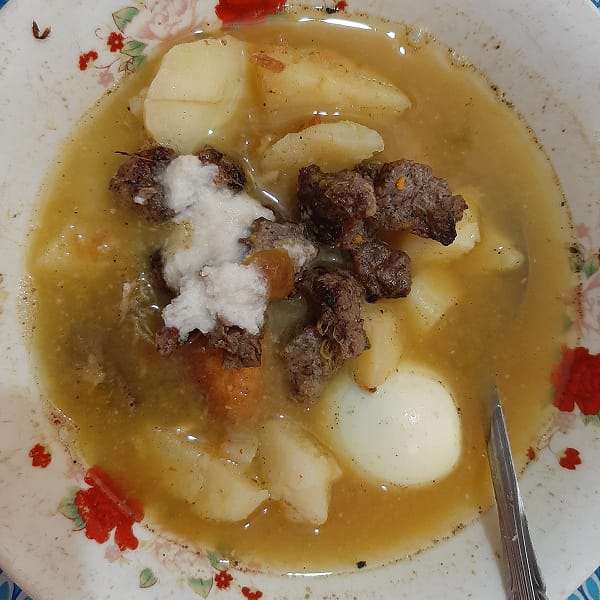
In Tanzania, rice unites everyone, and it’s loved so much that some even carry a bag when they travel. We often cook our rice as pilau, with beef cubes, large chunks of potato, and a spice mix of cumin, cardamon, black pepper and cinnamon. If we aren’t eating rice, then we have ugali (a firm maize meal) or matoke (plantain stew) on our plate.
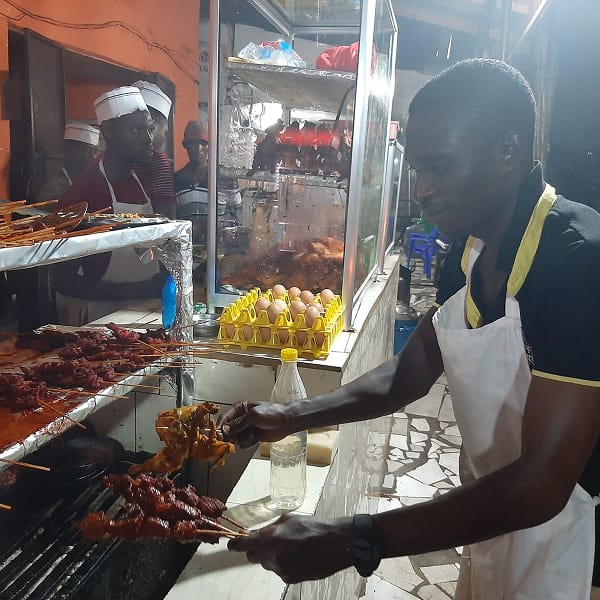
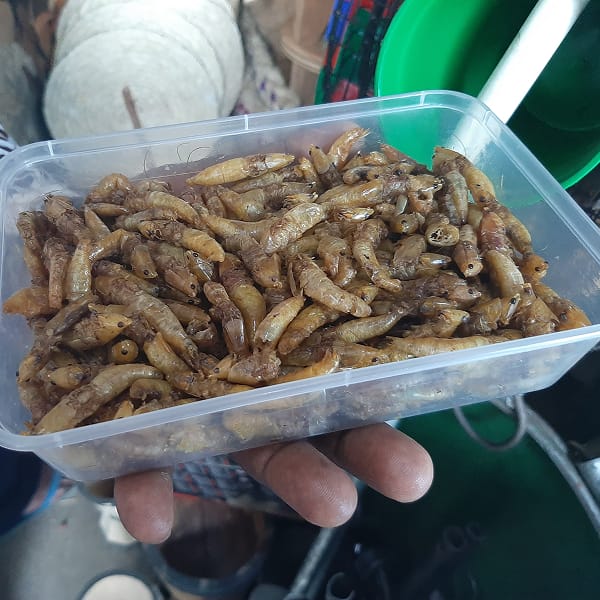
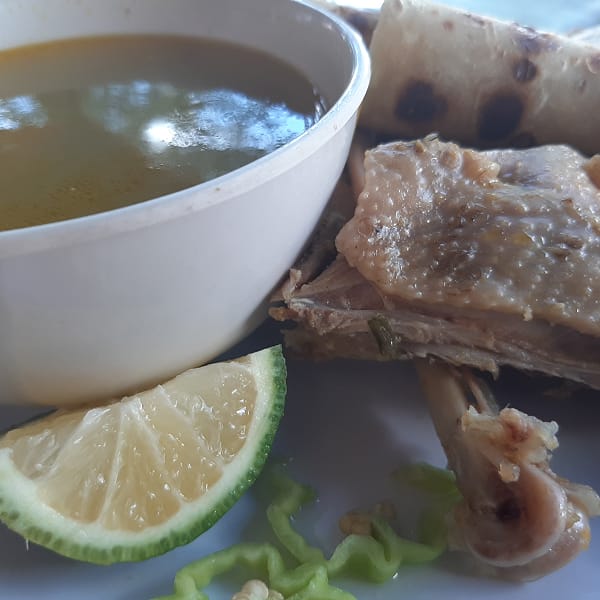
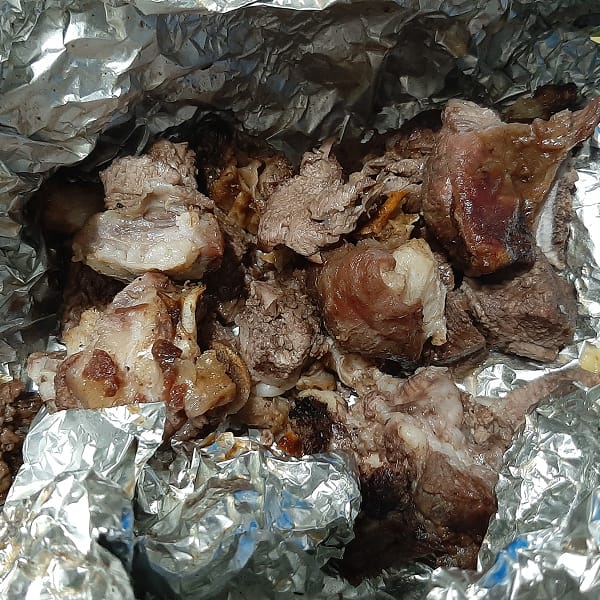
As accompaniments, we eat vegetables, such as amaranth, kale, or beans, often stewed in coconut milk. While there are many options for vegetarians in Tanzania, we love our meat and fish. We are famous for our roasted goat meat (nyama ya mbuzi); marinated chicken (kuku sekela), recognizable by its red coloring; and grilled skewered meat (usually beef), called mishikaki. You’ll easily find halal meat almost everywhere. Fish (samaki) is also widely available nationwide, freshly caught in the Indian Ocean and Lake Victoria.
Meals are served with a raw salad of tomato, onion, and lemon juice (kachumbari), and we often add diced chili (pili pili) into kachumbari which is quite hot! Otherwise, we don’t usually add chili when cooking, but we have it available on the table to add later. To cool off, we have delicious fresh juices made with our tropical fruits, such as passion fruit, mango, tamarind, or avocado.
➡️ Download your free “Eat Like a Local, Safely” guide now and get insider food safety tips straight to your inbox.
Excited to visit Tanzania?

Tips for planning your Tanzania holiday
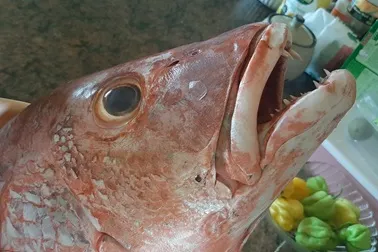
Your visit to Tanzania will likely include a stopover in Dar es Salaam, the largest city and the location of Julius Nyerere International Airport (DAR). The city has a great food scene, from the street food stalls on Coco Beach in Oyster Bay to the Indian restaurants on Kisutu Street downtown. Look for the bikes on the street corners selling fresh coconut water. Check out the Kivukoni Fish Market downtown; go in the morning when the weather is cooler and the fish is fresh.
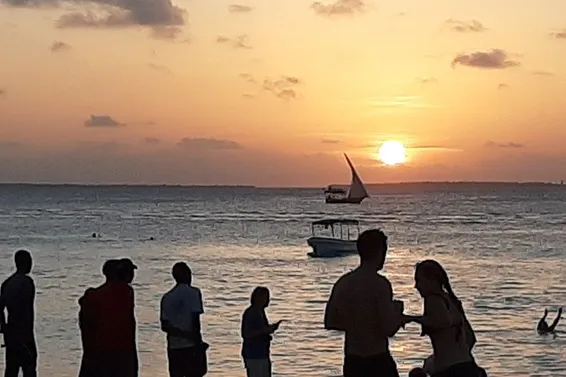
A perfect foodie day for us involves a morning visit to Darajani market to see what fresh fish has come in from the dhows, then finding a streetside stand to buy urojo for a cheap breakfast. For lunch, seek out the chicken biryani in a local restaurant and cool down with a fresh juice (tamarind juice is our favorite on a hot day.) Then, after sunset, head to Forodhani Market to browse the grilled seafood and Zanzibar pizza options for dinner. I love getting grilled kingfish with piripiri sauce and a side of fluffy sesame bread.
One thing we’ve learned about Tanzania is that the foods marketed to tourists are often Westernized and quite different from what people eat in their homes. Check out our blog for more insider information on traditional food in Tanzania, Zanzibar cuisine, and what to do when you visit Tanzania.
Read More About Tanzania
Frequently Asked Questions About Tanzania Travel
What is the location of your food tours in Tanzania?
Jiranileo will be offering food tours in Dar es Salaam, Moshi, Arusha, and several locations in Zanzibar. If you have booked a tour with us, you will receive an email the day before a tour with detailed directions to the exact meeting point or host’s home. Check our book now page to see what tours we have available.
What can I expect from a food tour in Tanzania?
Tanzanian food tours are steeped in culture and take you to neighborhoods off the typical tourist circuit. While our hosts for our home meals may not always speak English, there will always be someone to help with translation. Our website gives you a general idea of what to expect for a Jiranileo home-hosted meal, neighborhood tour, and cooking class.
Can I book a food tour for tomorrow?
Check our book now page to see what food tours we have available. Our last minute booking policy explains what we can accommodate.
How easy is it to find a meat-free meal in Tanzania?
Tanzanian cuisine has a wide variety of vegetables and beans for delicious meat-free options, although you might need to search the restaurant menu to find them. Jiranileo food tours can accommodate meat-free diets; just let us know at the time of booking.
Is it safe to travel in Tanzania with food allergies?
If you have a coconut allergy, we do not consider it safe to eat in Zanzibar and coastal parts of mainland Tanzania, and people with seafood or fish allergies should be very cautious. However, the cuisine of Tanzania varies widely depending on what region you are traveling to. Jiranileo food tours aim to accommodate guests with food allergies; just let us know at the time of booking. We have compiled a detailed list of food allergy information for traditional Zambian food, found in our “Eat Like a Local, Safely” guide.
➡️ Download your free “Eat Like a Local, Safely” guide now and get insider food safety tips for Tanzania straight to your inbox.
How safe is Tanzania for tourists?
Tanzania, both Tanzania mainland and Zanzibar, is generally safe for tourists, and Jiranileo has measures in place to ensure our guests are safe on our tours.
What language do they speak in Tanzania?
Swahili is the major spoken language of Tanzania. Many of our hosts and guides are trilingual, speaking English, Swahili, and one of Tanzania’s many tribal languages.