Discovering Lusaka: A Morning at New Soweto Market
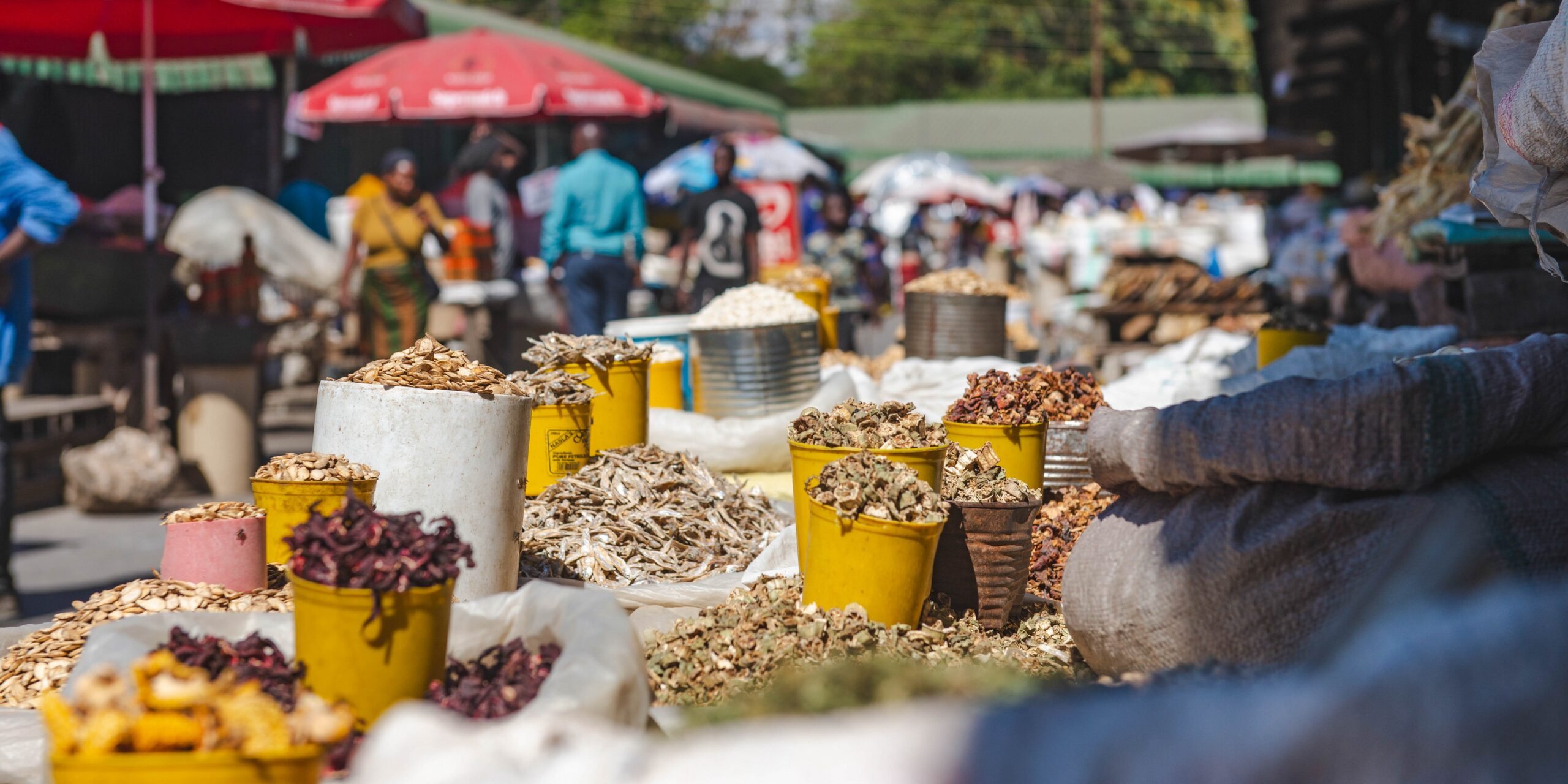
One of my favorite cultural places in Lusaka is New Soweto Market.
Before living in Lusaka, the capital city of Zambia, I lived in rural Zambia for years, where my social life was connected to traditional Zambian food, from sitting with women in the smoky cooking hut, gossiping while shelling groundnuts in the shade, and going to the gardens to pick the softest pumpkin leaves off the vines. We ate communally on mats by the light of kerosene lamps, recently upgraded to solar-powered lights.
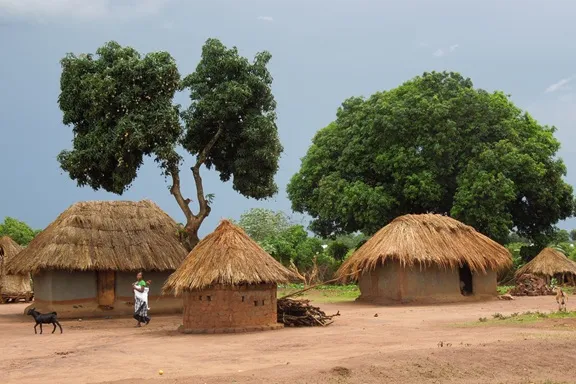
In the modern city of Lusaka, I often felt lost from the rural Zambia life I loved. My slow village socializing was replaced by rushing off to work meetings, school runs, and solo trips to the grocery store. Then I discovered New Soweto Market in downtown Lusaka, where I could be transported back to the village through the traditional Zambian foods never found in restaurants or grocery stores the city.
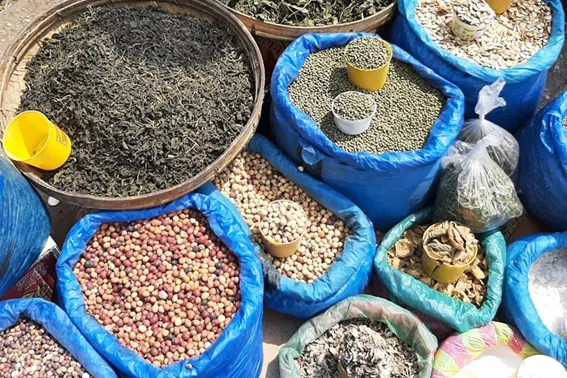
New Soweto Market is Lusaka’s central food market.
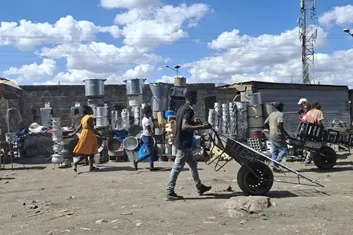
Lusaka is a modern city with about 4 million people. To get to New Soweto Market, my taxi crosses through downtown, weaving through the hustle of life: men transporting wheelbarrows of heavy loads, women selling used clothes at roadside tables, minibuses pushing their way down narrow streets. It is hectic out the taxi window.
However, when I arrive at the market it’s another world. I walk into this calm, orderly market and I am free to let my curiosity go into overdrive.
As the central food market for Lusaka, food is trucked in from all provinces and neighboring countries such as Tanzania, Democratic Republic of the Congo, and Malawi. Trucks arrive in the middle of the night, and vendors from across the city come to make bulk purchases before sunrise. This food is then resold at restaurants, roadside stands, groceries, and markets across the city.
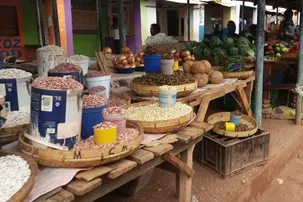
I never knew that the Zambian food supply was so dynamic.
Visiting the market several days in a row was an eye-opener. One day there were suddenly heaps of dried grasshoppers for sale. Another day the green leafy vegetables were gone and stacks of fresh cucumber sold in that space. I saw the end of the sweet potatoes season; by the end of the week, they were completely gone.
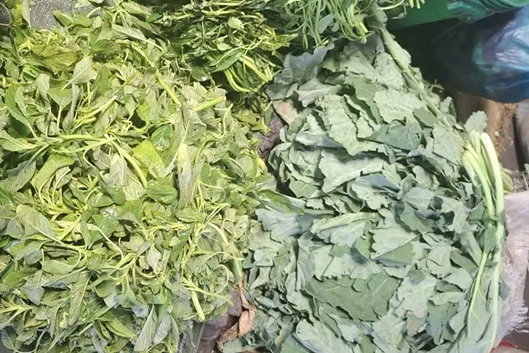
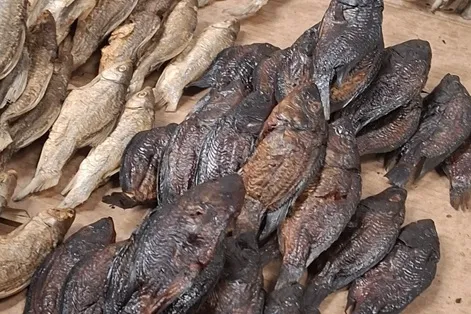
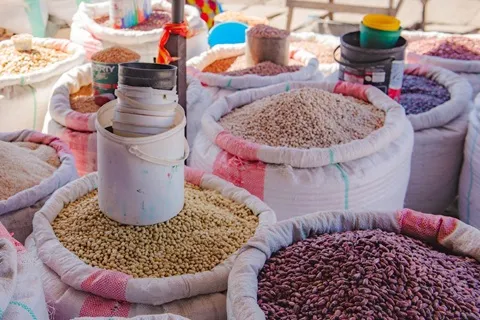
I have counted over 15 kinds of fish and 8 varieties of beans, and I have curiously inquired about the dried vegetables that I had never seen before. I have bought seasonal wild fruits from a woman carrying them on a basket on her head, who laughed as we helped her place it gently on the ground. She scooped the fruits into a small plastic bag, and then added a few extra with her hand as “mbasela”.
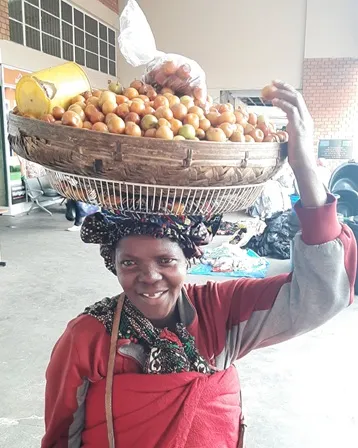
Here are some of my most memorable moments in the market:
1. Finding faith healing in the fish section.
The popularity of faith healing in Zambia is a combination of evangelical Christianity traditional beliefs around witchcraft, and cultural practices around how people seek health care.
One day, in the middle of the fish section, a man had his palm on a woman’s head, praying over her, while she stood in a trance. The usual trade continued around them, although everyone was side-eyeing out of curiosity. When the healing finished, the man and woman simply walked away in opposite directions as if nothing happened in the midst of people buying and selling fish.
2. Receiving a serenade near the peanut butter.
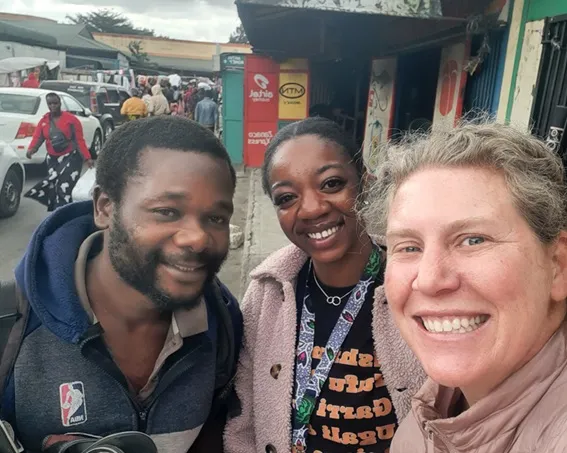
As I was walking down one of the market lanes, an aspiring artist and musician politely came to greet me. He sells locally made sandals in the market, but his true passion is singing and songwriting. After sharing his story, he sang two soft reggae praise songs for the peaceful nation of Zambia. Thank you, Zebron, for letting us hear your beautiful voice!
3. Pausing for the funeral procession by the beans.
On a more somber note, one day a funeral choir of women dressed in matching colorful fabric wraps (chitenges) weaved their way slowly through the market, carrying a photo of a woman who had died (presumably one of the marketeers). They sang sad church songs as they walked, collecting donations from marketeers for the funeral costs.
It was a reminder of the fragile economic status of the informal worker and the strong ties of the community to support one another.
4. Listening to the symphony of the background noise.
Although the market is surprisingly quiet, the sounds in the background reveal a rhythm of Zambia. Shops play music across the decades and genres – the currently popular Yo Maps; Zambian pop classics from a decade ago; and Catholic church choirs singing in local Zambian language.
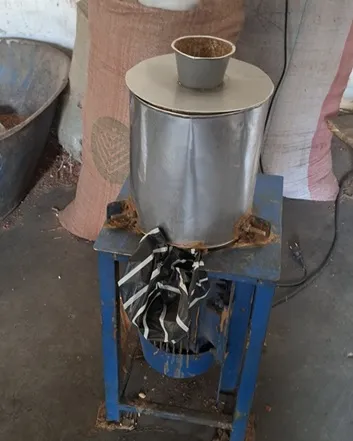
There is the soft rattle and grind of the machines spitting out peanut flour into sacks, sometimes overshadowed by the chugging generators signaling that electricity has gone out. Vendors invite customers to their stands, repeating their prices aloud “ten kwacha ten kwacha ten kwacha.” You’ll hear a variety of Zambian languages with people yelling greetings to one another with large smiles.
5. Smiling at the natural Zambian Viagra.
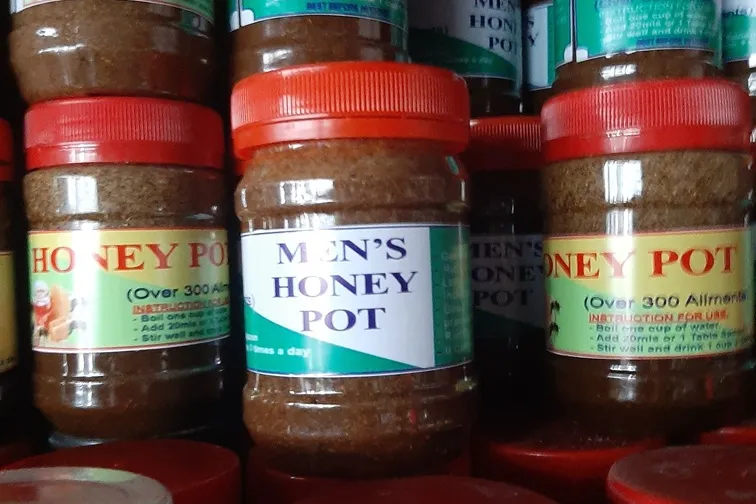
One day, I wandered into a spice shop and discovered an entire wall of natural Zambian sex stimulants, packaged for both men and women. Zambians swear by them, but as far as I know, Big Pharma companies have never researched the ingredients.
I was advised to prepare the traditional medicines as a tea for myself, or to secretly mix them into my partner’s breakfast porridge. I’ll leave the rest up to your imagination, but if you want more information on this type of Zambian traditional medicine, read this article.
Lusaka is an easy city to explore, and New Soweto Market is a great place to experience Zambian culture.
Most Zambians speak English and generally are very friendly. In the market, people are curious to see a “mzungu” (white person) but are not aggressive.I’ve been to the market so many times now that I am recognized, greeted with smiles and people yelling “Amai Jere! Muli bwanji?” (Mrs. Jere. How are you?)
Travel tips for visiting New Soweto Market in Lusaka:
- Always specify “New” Soweto Market to the taxi. There is an “old” Soweto Market (also known as City Market) which is by the central minibus depot on Lumumba Road. New Soweto Market is further West. The roads here are hectic; I wouldn’t recommend walking between the two locations.
- I usually go to the market in the mid-morning, a time when it’s calm and relaxed.
- New Soweto Market is well-organized with specific spots for different types of traditional Zambian foods; one area for fish; one for fresh vegetables; one for cassava; etc.
Marketeers are a friendly community of hardworking men and women, and visiting the market will provide you with memorable insight into the cuisine and culture of Zambia. Happy travels!
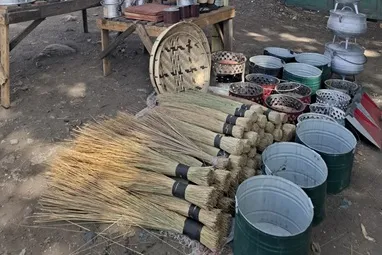
Curious to know more about Zambian food? Check out our Jiranileo Zambia destination page for a downloadable guide to eating in Zambia.
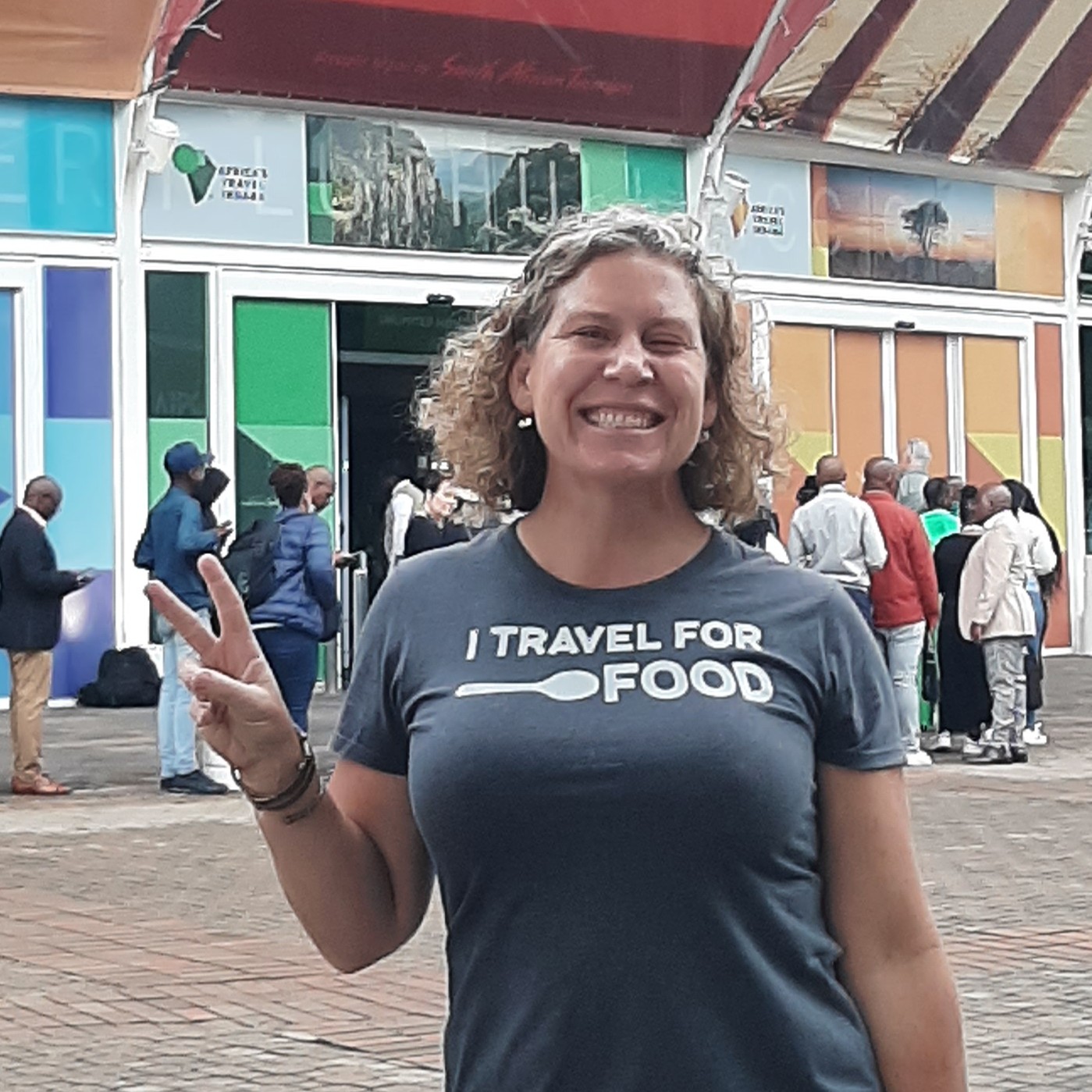
Meet the Author
Beth Jere
After calling Zambia home for more than 20 years, Beth has learned that the country reveals itself best through its food and shared laughter over meals. Her blogs invite you into the Zambia she knows, one meal and one story at a time.