Rwandan Food: More Than You Expect
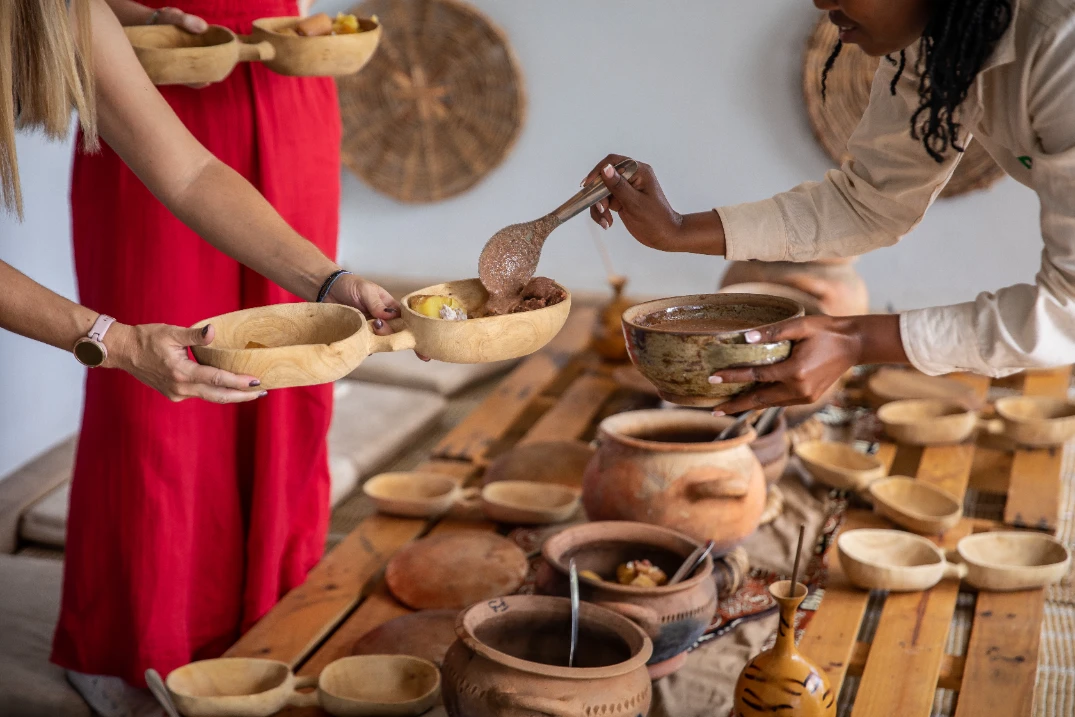
My first impression of Rwandan food was incomplete.
As a foodie who has traveled frequently across East Africa, I’ve collected a lot of first impressions about food cultures. It took me several visits to Kigali to truly understand Rwandan food. My first impression of Rwandan food was that it was very fresh and vegetarian friendly. However, the unique specialities of Rwanda were not as distinguishable as the mbuzi choma (roast goat) of central Kenya and northern Tanzania, or the vitimbuwa (fried rice cakes) of the East African coast.
While Rwandan food is perhaps less exciting cuisine overall compared to other East African countries, I could tell I was missing a large part of the story. For example, from my simple observation as a tourist, I couldn’t figure out an obvious staple food. The markets were full of Western vegetables like carrots, green peas, and broccoli.
To feed my curiosity, I started to ask questions, and not only did I gain a deeper understanding of what’s happening in Rwandan kitchens, but I also discovered new personal favorites to add to the list.
Each visit evolved my perspective about Rwandan food.
Rwandans taught me to look deeper about what they eat and why. Rwanda is a small, landlocked country, with frequent in-and-out migration across borders. As a result, Rwanda has merged culinary influences from the neighbors into their own national pride and identity. However, I also learned unique cultural significance of milk and butter specific to Rwandan culture, tied to the sacred significance of the long-horned cows.
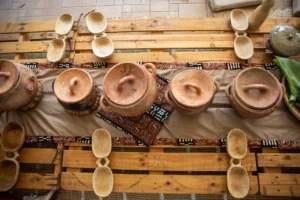
As I listened to the stories behind Rwandan foods, and ate in local homes, I have a new appreciation for their culinary traditions and recipes, and I also learned about local etiquette. Here are takeaways from my deep dive into Rwandan food.
What is the Rwandan staple food?
In Rwanda, beans are the staple food, which surprised me. Many African countries have a starch-based staple food, such as the cornmeal mixes of ugali (Kenya), sadza (Zimbabwe), and nshima (Zambia). However, a Rwandan plate is incomplete without beans.
While I had been searching the cuisine for one main carbohydrate, Rwandans were powering through their everyday life with beans. Once my eyes were opened to this, I realized that I saw beans growing everywhere I looked as I traveled around Rwanda. People smiled as they shared that “beans are our meat.”
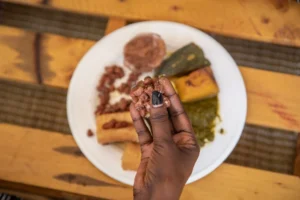
Having solved one curiosity, I had many more questions.
I was curious about how Rwandans did not feel bored with the monotony of beans. To understand more, I had to step into communities and homes, so I took a food tour and cooking class in Kigali. At the central market, I counted nine varieties of beans on sale at Kimironko Market, the central food market of Kigali. Clearly people were mixing up their bean recipes at home.
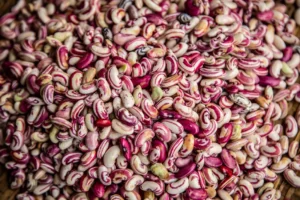
In the cooking class, I learned that the cooking style keeps beans interesting. At home, people change their bean recipes day-on-day by varying the starches that they add to the bean pot. The starch steams on top of the beans and absorbs the flavor as it cooks.
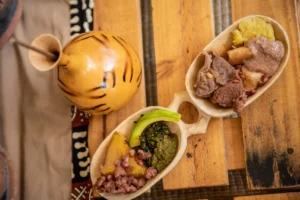
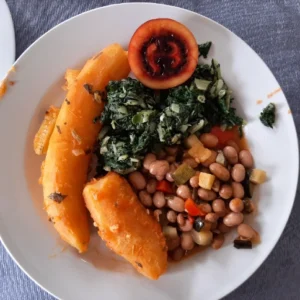
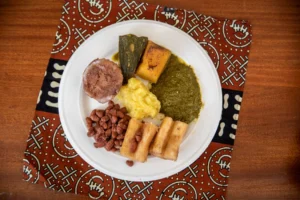
By eating at local homes, I tried seven common starches added to beans: Sweet potatoes, green banana, Irish potato, yams, cassava, ugali, and rice. A Rwandan household could prepare a different bean recipe for each day of the week by switching up the starches. I had never imagined my plate of Rwandan food could be so versatile.
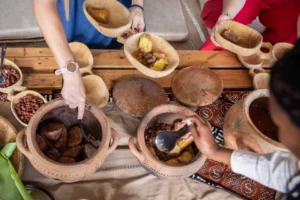
What is a favorite Rwandan traditional recipe?
After all that talk about beans, I assumed that Rwanda was a vegetarian paradise. While it’s true that you might not find meat at every meal in a Rwandan home, I found that many recipes added beef to flavor their vegetable dishes.
One of my best discoveries was ivirongo, a traditional dish that many people named as their favorite Rwandan traditional recipe. This dish is prepared with pounded cassava leaves (isombe) and a blended mix of green onion, fennel, eggplant, red onion, green pepper, and garlic. To cook ivirongo, the vegetable mix is slowly cooked with cubed beef on bone for two hours. I loved ivirongo and found it to be the most flavorful traditional Rwandan dish, perfectly paired with rice or ugali.
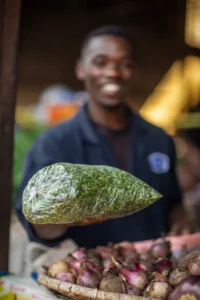
I also learned some fun cultural beliefs about other types of meat.
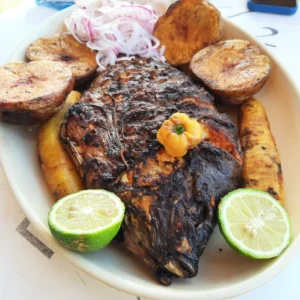
Goat is often served as brochettes – roasted on skewers. Traditional beliefs said that if a woman ate goat meat, she would grow a beard. Perhaps men wanted to keep the delicious meat to themselves? Today, Rwandan women can freely consume goat and not surprisingly, the country has not reported an abundance of bearded ladies.
Chicken must be served with the gizzard on the plate. If the gizzard is missing, it is a huge insult, where people can even walk out of a restaurant in protest. Funny enough, one year a supermarket realized the gizzard held special value, but misunderstood the custom: The store held a “lucky draw” contest with 10 gizzards in one chicken – and nine chickens without a gizzard – only to realize that no Rwandan would ever take the chance of drawing a chicken without a gizzard. People still laugh at this marketing fail today.
What is a sign of Rwandan hospitality?
Encouraging guests to over-eat is a true sign of Rwandan hospitality. If you are lucky enough to eat at a Rwandan home, be prepared for abundance, with guests served large portions and multiple helpings of food, even after the guest insists they are full. When I am full, I often yawn. However, in Rwanda if you yawn at the table, it is interpreted that you are is still hungry. Yawning is a sign to serve more food.
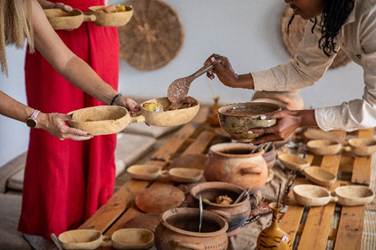
This generous hospitality is rooted in tradition, where food should be served with warmth and a smile to family and guests. In fact, a (paraphrased) traditional Rwandan saying about “even cooking the seed for an honorable guest,” means that a household would give everything to a guest, even if it was the last thing in the house reserved for another purpose.
Travel tips: How to eat local food in Rwanda
If you are invited to a Rwandan home to eat,it’s likely you will be served a hot meal of freshly cooked food off the stove. For drinks, you may be served fermented milk, local banana beer or banana wine, or a delicious local coffee or tea.
A few tips to make you feel like a local when eating traditional food:
- It is ok to say “what you are cooking smells good” if it is not a comment directed at a specific dish (and never lean in to smell a dish of food.)
- If akabanga chili oil is on the table, taste a small drop before adding it to your food. Many international visitors to Rwanda would find it very hot, although, not surprisingly, Nigerians visiting Rwanda have rated it as “only moderately spicy.”
- Traditionally Rwandan food is eaten with your hands. However, in most towns, meals are served with forks, with exception of ugali, which is always eaten with hands.
- Taking leftovers home is taboo in Rwandan culture.
Curious to know more about what to eat in Kigali? Check out our Jiranileo Rwanda destination page for a downloadable guide to eating in Rwanda. Happy travels!

Meet the Author
Beth Jere
After traveling to over 40 countries, Beth has learned that every country reveals itself best through its food and shared laughter over meals. Her blogs share her curiosity about the cuisines across the continent, one meal and one story at a time.