The Swahili Cuisine That Made Our Kenya Trip Unforgettable
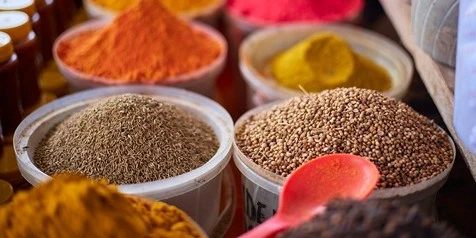
Swahili cuisine is found in East Africa along the Indian Ocean coast.
Anyone planning a trip to Kenya expects unforgettable wildlife safaris, but fewer realize the country also boasts over 300 miles of coastline. Along the Indian Ocean, the flavors of the traditional Swahili cuisine are tied to ocean tides, ancient spice routes, and daily rituals. The food quickly became more than a backdrop. It shaped how we experienced each day on the coast.

Memorable Swahili Food, Part 1: The Refreshing Juices
The white sand beaches of the Kenyan Coast are simply stunning, but just a few minutes of walking in the heat can make you desperate for a cold drink. We were not disappointed by our options for staying hydrated.
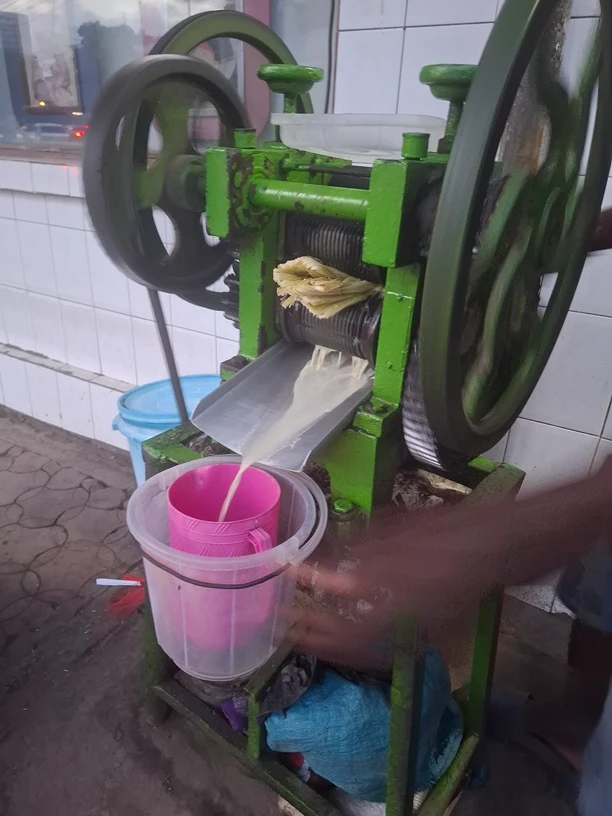
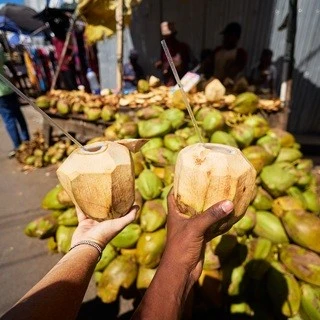
Nothing compares to the flavors of the local drinks in Kenya. Not only did they revitalize our energy in the heat, but watching the preparation also was part of the cultural experience. We were amused by the distinct sounds of each vendor: the whirr of a juice blender; the squeak of the sugar cane press; the whack of the machete on a fresh coconut.
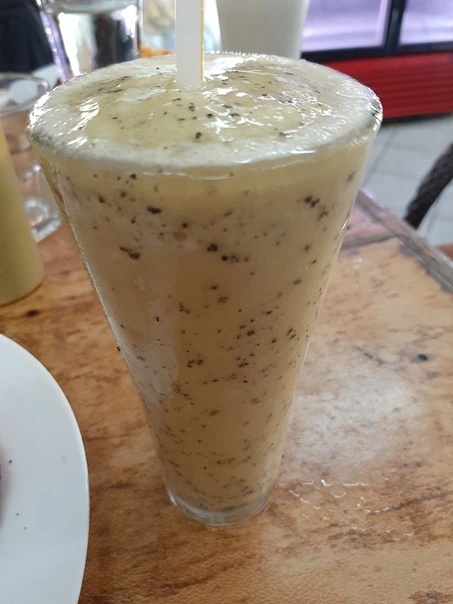
Fresh passion juice is our favorite drink option. Instantly cooling, passion juice cuts through the heat of the Kenyan coast with a sharpness that feels almost electric. It’s simple, just fruit (blended seeds and all), water, and a touch of sweetness to balance the juice’s natural tartness. After tasting passion juice in Kenya, I’ve never found the specific taste of this juice anywhere else.
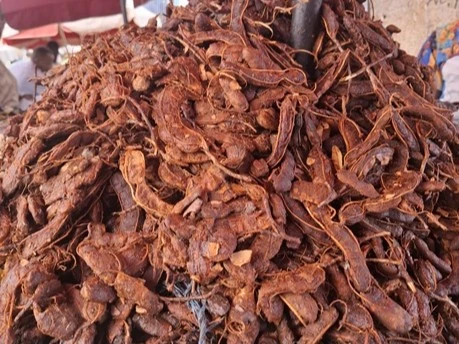
Then there’s ukwaju, tamarind juice. Dark, tangy, and slightly sweet, it’s the kind of drink that surprises at first sip. Even our three-year-old went crazy over this juice. What makes the taste of this drink particularly memorable for me is the hint of cardamom flavor when the juice is prepared the traditional Swahili way. Cold, fresh, and delicious.
Memorable Swahili Foods, Part 2: The Rice Dishes
Along the Kenyan coast, rice is never just a boring side. Swahili rice dishes like pilau, biryani, and fragrant onion rice are built on layers of spice such as cinnamon, cloves, and cumin.
As much as I’ve tried to recreate these Swahili rice dishes at home, I’ve learned that Swahili recipes use techniques shaped over generations. The grains of rice remain light and separate, steamed to perfection, with each spoonful carrying flavor without heaviness.
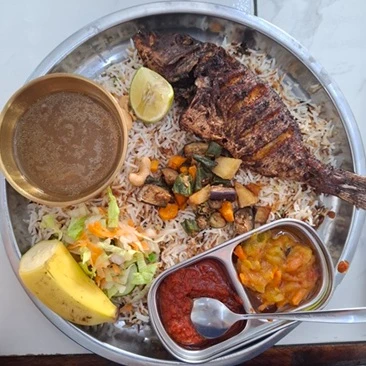
While spice blends are an easy Kenyan souvenir to carry home, the challenge is recreating the memorable tastes of the Swahili rice recipes. A Swahili cooking class taught me how preparation relies as much on instinct as it does on ingredients. (Book your Swahili cooking class with Jiranileo.)
Memorable Swahili Foods, Part 3: Everything with Coconut Milk
Before the heat of the day, we loved to wander around Old Town Mombasa. Mornings often begin with the steady rhythm of coconut being grated by hand on a mbuzi, a low stool fitted with a serrated edge. The shavings are rinsed and pressed into fresh coconut milk, sometimes more than once, creating different textures and intensities for different dishes.
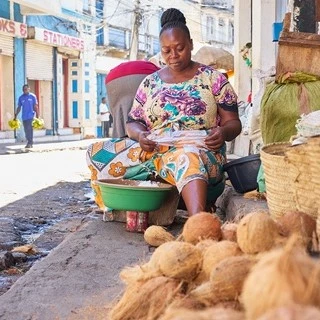
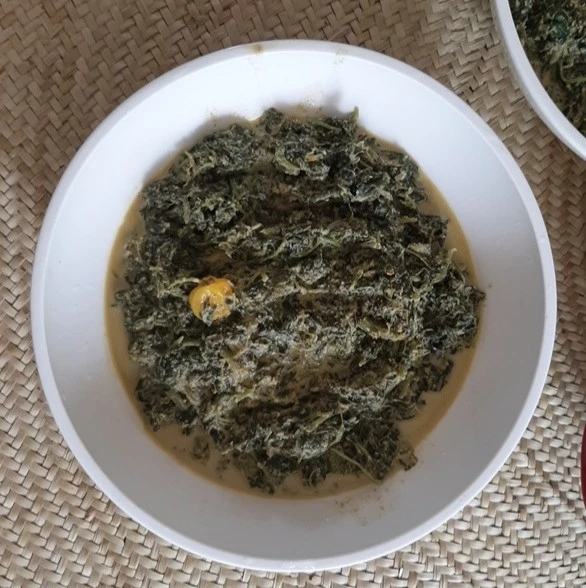
Coconut runs through Swahili cuisine in a way that feels both everyday and essential. It transforms familiar ingredients into something distinctly coastal with more flavor depth. This milk becomes the foundation of everything: stirred into rice for a light creaminess, folded into greens like mchicha, or simmered with beans until rich and deeply satisfying.
Memorable Swahili Foods, Part 4: The Fresh Fish
Life along the Kenyan coast moves with the tide, and nowhere is that more visible than the fish stalls in the early morning. Vendors line up the night’s catch, where you can spot Indian Ocean specialties such as tuna, barracuda, snapper, and very often, shark. We stood at a safe distance and watched the quick actions of knives and machetes carving the fish with practiced precision.
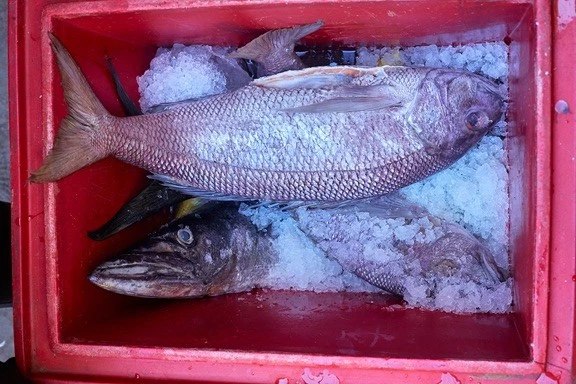
While the larger fish draw the eye, it’s often the smaller, everyday varieties that define coastal meals. Marinated with spices, vegetables, and coconut, the Swahili fish recipes reflect a cuisine that doesn’t need to overcomplicate freshness. To round out the plate, fish is often served with coconut rice and greens.
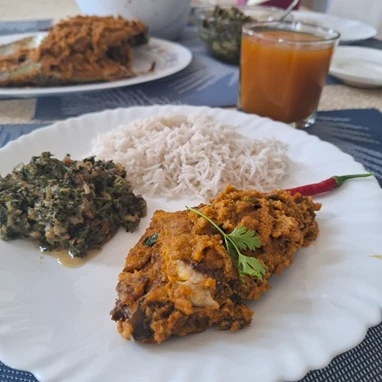
Swahili cuisine flavored our entire trip
During our time at the Kenyan coast, these Swahili foods became more than meals and refreshments. They were part of the rhythm of our days; small pauses to find relief from the heat and seek out a bench in the shade. A time to practice our few Swahili words, and to eat a plate of rice and fish with our hands.
Most of all, these foods gave us the opportunity to interact with the local community, making a connection that lingered long after the vacation ended.
Kenya Food and Travel tips:
What is the best time of year to try Swahili food?
Swahili cuisine is relatively the same year round, given the coastal and equatorial location. However, communities along the Kenyan Coast fast during the month of Ramadhan; most local restaurants are closed during the days but there is a vibrant evening street food scene.
Is it safe to eat Swahili food in Kenya?
Yes! Check our our Kenya destination page for more information about Kenyan food. We have compiled an at-a-glance guide to eating safely in Kenya, including a detailed list of food allergy information.
Download our Eat Like a Local, Safely guide.
What Kenyan foods can I take home to remind me of the Swahili cuisine?
We recommend the following:
- Baobab powder (made of the seeds of the baobab tree) is very nutritious and can be used in homemade juices and smoothies. Check out recipes using baobab powder here.
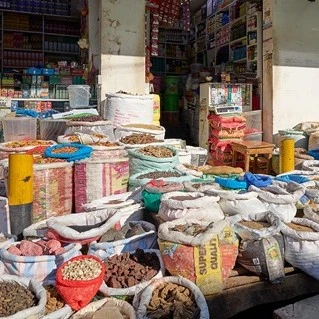
- Achar, to add by the tablespoon as a side to rice dishes. You can find several types of achar in the Mombasa Spice Market.
- Pilau spice mix to add to rice dishes and marinades at home. You can find several Swahili pilau rice tutorials online, like this recipe for pilau rice.

Curious to know more about what to eat in Kenya? Check out our Jiranileo Kenya destination page for a downloadable guide to eating in Kenya.

Meet the Author
Beth Jere
Beth’s favorite part of Jiranileo is seeing the simple idea of bringing people together over food turn into reality, from the initial tour design to reading the guest’s and host’s feedback. She still pinches herself that the dream is real.