
Kenya food tours
Our Featured Tours
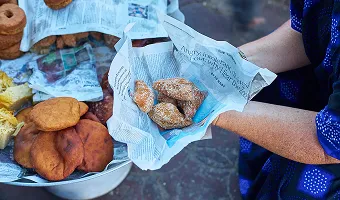
Mombasa Street Food Tour
We’re working with our partner African Food Trail to bring you the best spots for Swahili cuisine in Mombasa. Get ready for a guided culinary journey through the tiny alleys of 12th century Old Town. Bookings are now open!
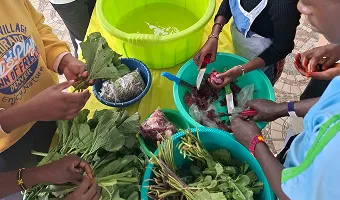
Urban Nairobi Cooking Class
Sign up to our newsletter to get updates on our Kenya food tours.
We’re working with our partner Kibera Creative Arts to offer a Kenyan cooking class led by a vibrant group of youth. Classes take place on the covered rooftop of the arts center, giving a unique birds-eye view of the neighborhood. Bookings open in June 2026!
Location: Nairobi
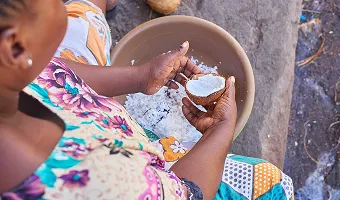
Swahili Cooking Class at the Coast
We’re working with our partner African Food Trail to bring you a traditional Swahili cooking class. Get ready to prepare the coast’s best recipes using fresh coconut milk, marinades, and a variety of spices. Bookings are now open!
In Association with


What is Kenyan food?
To eat Kenyan food is to follow a story of cultural pride and place, where cuisine is tied to your “ushago,” your ancestral homes. If you ask Kenyans about their favorite foods, you’ll receive stories of the unmatched flavor of Lake Victoria fish, the fresh meat and milk from the pastoralist areas, the open-air cooking of Indian curries, and the spice-enhanced flavors of the Swahili recipes. In sum, Kenyan cuisine can’t be defined in one plate.
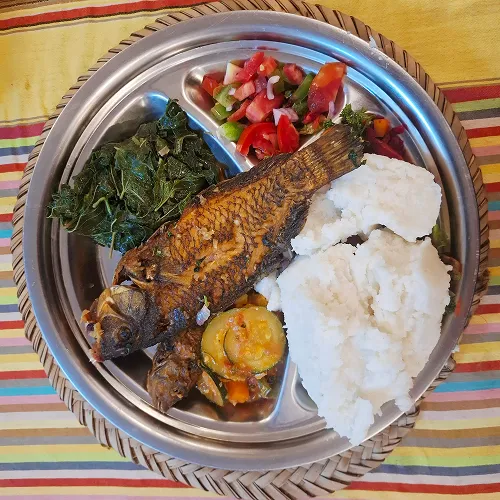
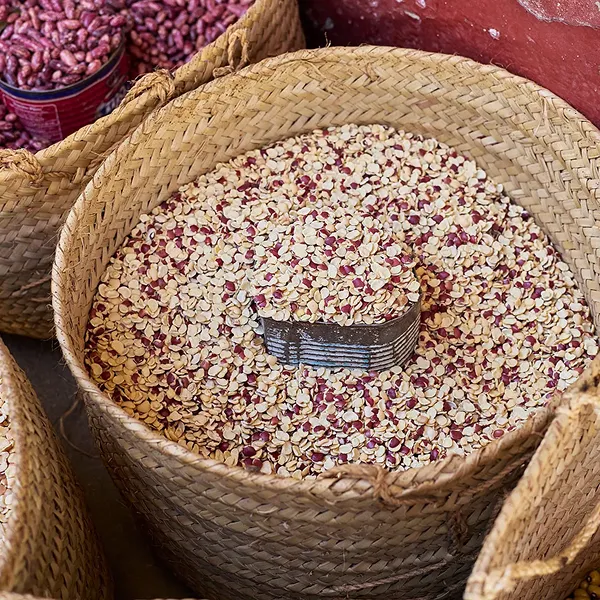
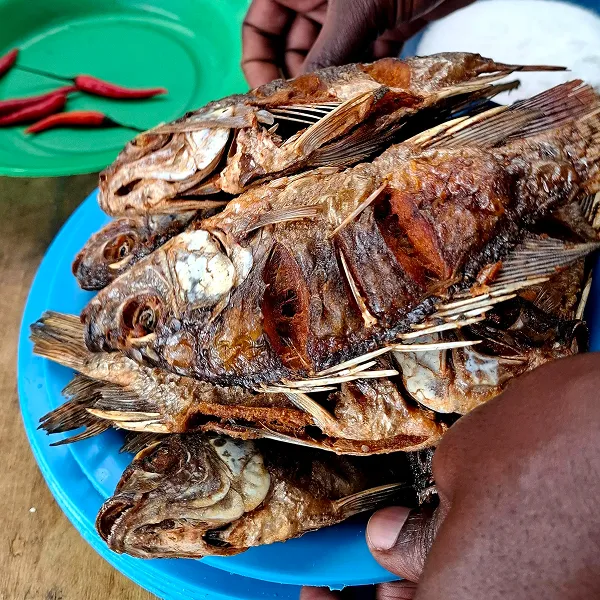
At the heart of many Kenyan meals is ugali: maize flour, ground at neighborhood posho mills, steamed and stirred into a mound firm enough to cut with a knife. Ugali is eaten with your hands and paired with a protein, such as kuku kienyenji (local chicken) or fried lake fish, and a smaller portion of cooked vegetable. While restaurants lean on kale (sukuma wiki) and cabbage, homes prepare the vegetables and beans grandmothers knew, like kunde, managu, saga, cowpeas, and pigeon peas. Most plates include a side of kachumbari, a fresh tomato-onion salsa, and chopped hot chili pepper.
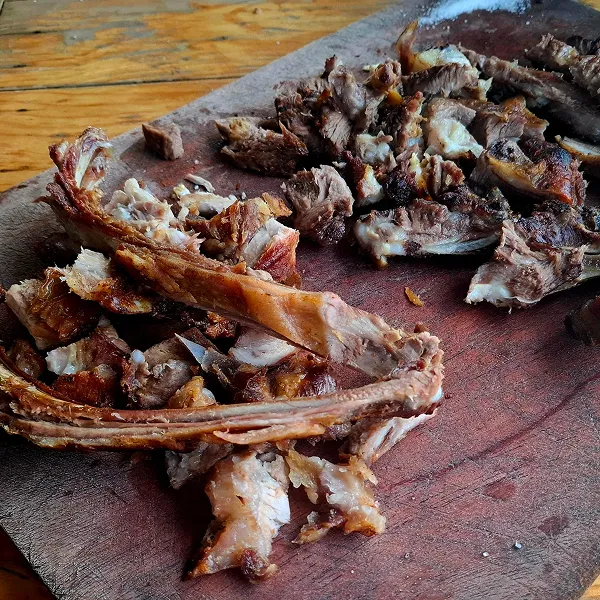
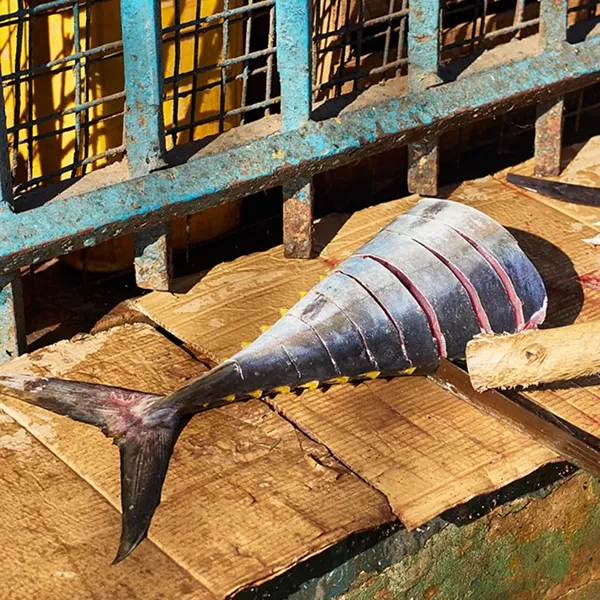
In Nairobi, food tells the story of a city balancing rapid urbanization with deep-rooted traditions, like the urban street food of mutura, a beloved sausage made of offal and mixed meat cuts. Across the Rift Valley, dishes like mukimo and githeri provide a hearty meal with a potato base and added spinach, maize, beans, or peas. Western Kenya cuisine centers on the fish of Lake Victoria, from Nile perch that spans the width of the plate to the tiny, nutritious omena. And, at the Coast, coconut, spice, seafood, and centuries of Swahili culture shape dishes like pilau and biryani.
While Kenya is known globally for its coffee and tea, many neighborhoods still pour traditional homemade drinks – alcoholic and not – from unmarked containers. At the Coast, coconut water and juices of tamarind, baobab, and sugarcane offer sweet relief from the heat.
➡️ Download your free “Eat Like a Local, Safely” guide now and get insider food safety tips straight to your inbox.
Excited to visit Kenya?

Tips for planning your Kenya holiday
Take a safari in the Masai Mara National Reserve for the unforgettable sight and sound of two million wildebeest crossing the Mara River. The name “Masai Mara” is taken from the indigenous Maasai people to describe the vegetation in this area where they traditionally would graze their cattle. Fun foodie fact: The traditional Maasai diet is comprised of milk, their daily staple food, and blood, tapped from live cows and often mixed with milk. Meat is consumed a few days a month.
The lively city has a vibrant international restaurant scene, uniquely Kenyan nyama choma (roasted meat) and koroga (cook-your-own-curry) restaurants, and regular food festivals and events. Not to miss is the Jiranileo cooking class in Nairobi led by Kenyan youth from a vibrant neighborhood arts community. As you learn to cook Kenyan food using their mom’s recipes, you’ll see Nairobi from a fresh perspective of urban change, a deep sense of community, and the inspired vision of Kenyan youth for their country.
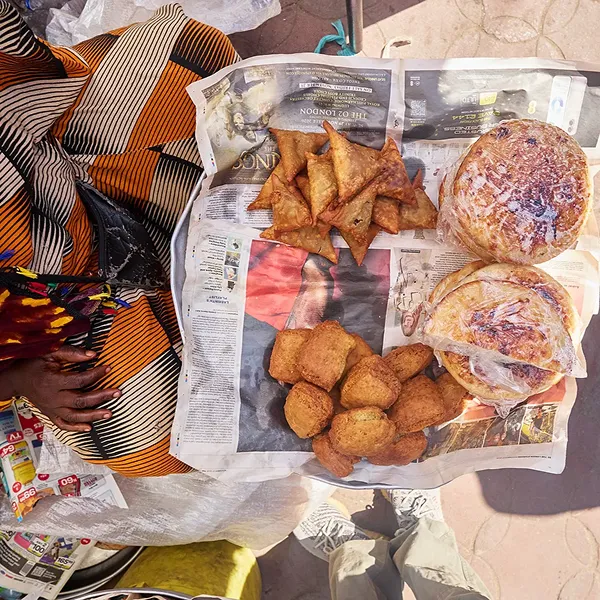
In Nairobi, peek in the roadside buckets for mandazi (fried dough) and simsim (sesame balls). Peanuts are sold in rolled paper cones as a quick takeaway energy boost. Grab some meat on the go with beef samosas, which also happen to be our favorite Kenyan bar snack. Need to warm up on a cold Nairobi day? Look for people walking up and down the sidewalks carrying large thermoses of milky chai tea.
In Mombasa at the Kenyan coast, buy a handful of the bright red mabuyu candy, made of sweetened baobab seeds. Sample the trays of street food in Mombasa, from bean bhajias to sweet doughnuts to fried rice cakes, straight off the fire. Stop and socialize over a small porcelain cup of spiced coffee poured from an old-fashioned metal kettle. Even better, sign up for a street food tour in Mombasa to find all the best spots to explore the Swahili snacks.
Read More About Kenya
Frequently Asked Questions About Kenya Travel
What is the location of your food tours in Kenya?
Jiranileo offers food tours in Nairobi, the capital city of Kenya. We also partner with African Food Trail for food tours at the Kenyan Coast in Mombasa, Watamu, and Diani.
If you have booked a food tour with us, you will receive an email the day before a tour with detailed directions to the exact meeting point or host’s home.
What is the difference between your cooking classes in Kenya?
We offer two types of cooking classes in Kenya. The main difference is the cuisine, so it is worth taking both classes. In the Coast, the cooking class teaches recipes from traditional Swahili cuisine, which uses ingredients from the local markets such as coconut, spices, and rice. In Nairobi, the cooking class teaches recipes of upcountry Kenya, which uses ingredients from the local market to cook ugali and prepare lake fish and traditional vegetables. Find out more about what to expect from a Jiranileo cooking class.
Can I book a food tour in Kenya for tomorrow?
If you want a food tour for tomorrow, contact us right away and we will do our best to accommodate you. Check our last minute booking page for more details.
How easy is it to find a meat-free meal in Kenya?
While Kenyan cuisine has a wide variety of vegetables and legumes, Kenyans enjoy eating meat such as chicken, goat, and beef. Fish, especially freshwater fish, is also very common. However, most recipes use whole foods, rather than processed, and do not mix meats with plant-based ingredients, so it is relatively easy to avoid any dishes with meat. Jiranileo food tours can accommodate meat-free diets; just let us know at the time of booking.
Is it safe to travel in Kenya with food allergies?
The biggest food allergy risks in Kenya are sunflower and fish. Sunflower oil is the most common cooking oil in Kenya, and fish, either from a lake or the ocean, is commonly consumed in homes and restaurants across Kenya. If you are on a gluten-free diet, it is generally easy to avoid wheat, as it is not added to cooked meat or vegetable dishes, but you should avoid chapati and most street foods. Jiranileo food tours aim to accommodate guests with food allergies; just let us know at the time of booking. We have compiled a detailed list of food allergy information for traditional Kenyan food, found in our Eat Like a Local, Safely guide.
How safe is Nairobi for tourists?
Nairobi is like any other major city in the world, so apply the same general precautions that you would use elsewhere: Keep your bags and mobile phone close to your body, avoid carrying valuables or wearing flashy jewelry, and use taxis or rideshare apps to get around, particularly at night. The Kenyan tourism sector has taken steps to keep tourists safe, and Jiranileo has measures in place to ensure our guests are safe on our tours.
What language do they speak in Kenya?
There are two official languages: English and Swahili, plus many indigenous languages. All of our Jiranileo hosts and guides in Kenya speak English, which is used in the Kenyan education system.
What is the best time of year to visit Kenya?
While wildlife safaris is available year round in Kenya, August and September are peak viewing months for the Great Migration. No matter what time of year you visit Kenya, Jiranileo food tours in Nairobi are held daily, regardless of the weather. However, food tours at the Kenyan Coast (Mombasa, Watamu, and Diani) are modified during the month of Ramadhan when communities are observing the holy month by fasting.