
Rwanda food tours
Our Featured Tours
Kigali Food Tour: Kimironko Market visit and Cooking Class
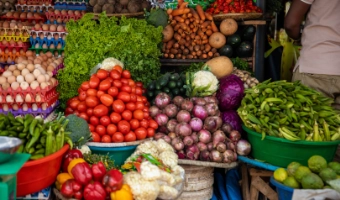
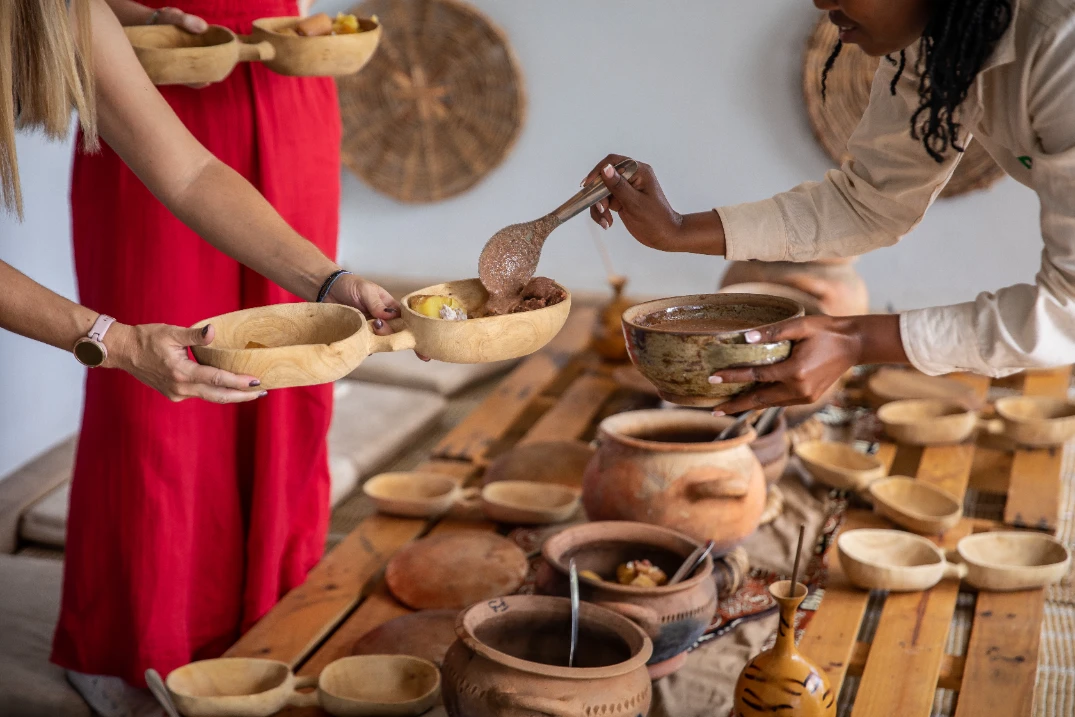
Spend a day immersing yourself in Rwandan culinary culture with a comprehensive food tour in Kigali. First, our local guide will show you the hidden food secrets of Kimironko market, the main central food market serving the city. Then, you will learn to cook Rwandan specialities through a hands-on class that uses traditional cooking techniques. At the end of class, you will settle onto the mat for a feast of over eight Rwandan dishes.
Authentic Cooking Class in a Local Home
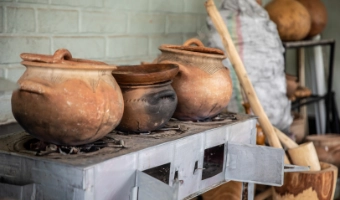
Explore everyday life in a Kigali home through a Rwandan traditional cooking class. After a short walk to the neighborhood shop, our host will take you to her home, where she will guide you in preparation of traditional Rwandan recipes on a charcoal stove in her shaded courtyard. After cooking, everyone will sit together to enjoy the food.
In Association with
What is Rwandan food?
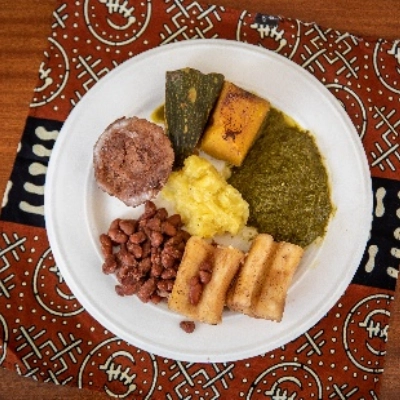
Traditional food of Rwanda is often described as simple, but a closer look reveals a cuisine that is unbelievably fresh, largely plant-based, and deeply rooted in tradition.
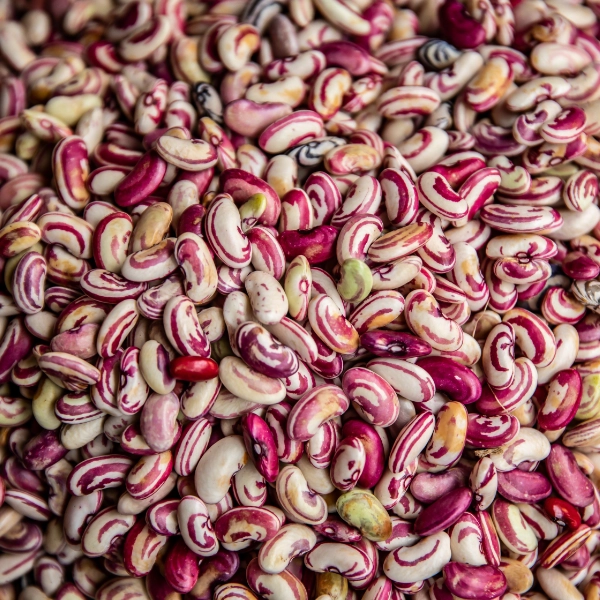
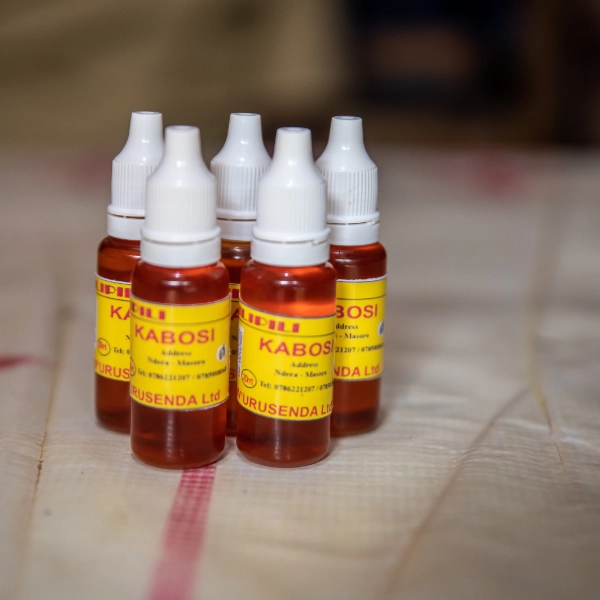
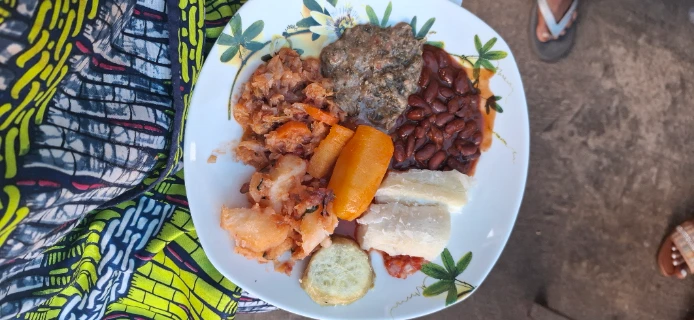
At the heart of most meals are beans, which Rwandans affectionately call “our meat.” You’ll also find leafy greens like cassava leaves (isombe) and amaranth (dodo), which are often enhanced with peanut flour or a touch of meat on the bone, slowly cooked to bring out rich, comforting flavors. A typical plate is generous and filling, served with one or more starches, such as sweet potatoes, green banana (plantains), Irish potato, yams, cassava, ugali, or rice. People often add a kick to their plate with local chili oil, known as akabanga. You may notice similarities with neighboring countries like Uganda and Tanzania, but Rwanda brings its own twist like multi-grain ugali and an obsession with avocados.
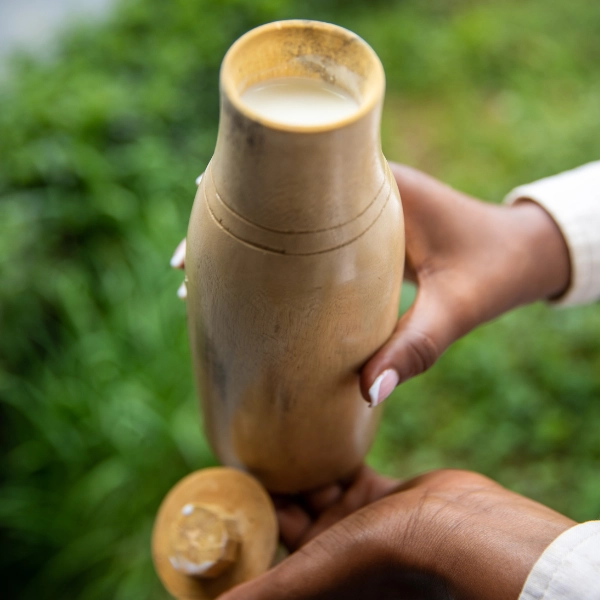
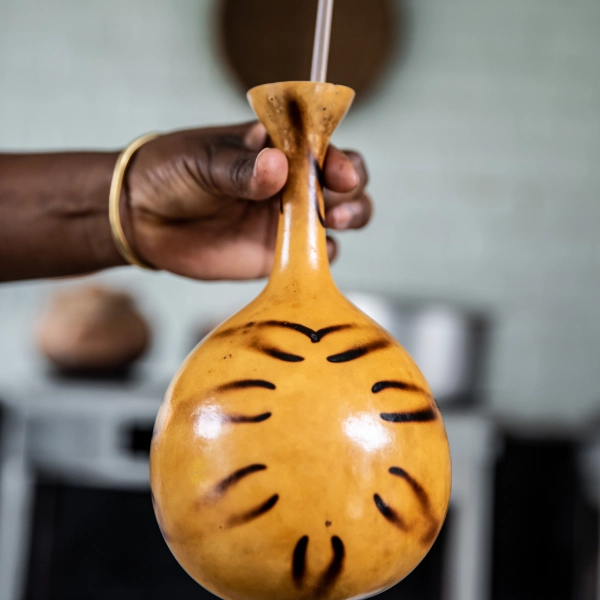
Food is a true expression of Rwandan hospitality, making a local food experience a must for any visit. Don’t miss the drinks, from a cup of the world-renowned tea or coffee, a glass of fermented milk at the neighborhood milk bar, or traditional banana beer sipped through a straw from a gourd.
➡️ Download your free “Eat Like a Local, Safely” guide now and get insider food safety tips straight to your inbox.
Excited to visit Rwanda?

Tips for planning your Rwanda holiday
Rwanda is one of only three countries in the world with wild mountain gorillas, found in Volcanoes National Park, about a two-and-a-half hour drive from Kigali International Airport (KGL). Fun fact: Did you know that mountain gorillas love to eat bamboo (especially the tender new shoots), wild celery, thistle, and nettle, but also eat bark and roots in the drier seasons of the year. Unlike other primates, the mountain gorilla diet does not include fruit.
If you are in Rwanda on the last Saturday of the month, join your neighbors for Umuganda, a day to “come together with a common purpose” when Rwandans clean and beautify their neighborhoods. One unique feature of Kigali, setting it apart from other East African cities, is the ban on street food vendors under the country’s strict hygiene laws. In fact, cleanliness is so valued that even the act of eating or drinking while walking on the streets is socially unacceptable.
Many visitors learn more about Rwandan history than the Rwandan culture of today. Rwandans have a strong culinary identity and love to show hospitality by over-feeding guests. Check out our recent blog posts for our insider information on traditional food in Rwanda and food-friendly things to do in Kigali.
Read More About Rwanda
Frequently Asked Questions About Rwanda Travel
What is the location of your food tours in Rwanda?
Jiranileo offers food tours in Kigali, the capital city of Rwanda. If you have booked a food tour with us, you will receive an email the day before a tour with detailed directions to the exact meeting point or host’s home.
What is the difference between your food tours in Rwanda?
We offer two food tours in Kigali, and the main difference is the length of time of the tour. The Kigali Food Tour is 6-7 hours, combining a youth-led neighborhood food tour at Kimironko Market followed by a traditional cooking class. The Traditional Cooking Class is a shorter experience, about 3.5 hours, led by a woman in her home. Both of ourRwandan food tours are friendly, casual, and fun. Find out more about what to expect from a neighborhood food tour and a cooking class.
Can I book a food tour in Kigali for tomorrow?
If you want a food tour for tomorrow, contact us right away and we will do our best to accommodate you. Check our last minute booking page for more details.
How easy is it to find a meat-free meal in Rwanda?
It is very easy to travel in Rwanda on a meat-free diet.Rwandan cuisine is great for both vegans and vegetarians. A typical meal includes beans and a wide variety of vegetables and tubers. Jiranileo food tours can easily accommodate meat-free diets; just let us know at the time of booking.
Is it safe to travel in Rwanda with food allergies?
The biggest food allergy risks in Rwanda are sunflowers and peanuts. Sunflower oil is the most common cooking oil in Rwanda, and many traditional recipes use peanuts. If you are on a gluten-free diet, it is generally easy to avoid wheat, but take note that Rwandans may mix different types of flour when cooking ugali or add cooking stock cubes (which may contain wheat) to vegetable dishes. While Rwandans enjoy drinking milk, it is usually taken separately and therefore easy to avoid for anyone with a dairy sensitivity or allergy.
Jiranileo food tours aim to accommodate guests with food allergies; just let us know at the time of booking. We have compiled a detailed list of food allergy information for traditional Rwandan food, found in our Eat Like a Local, Safely” guide.
➡️ Download your free “Eat Like a Local, Safely” guide now and get insider food safety tips straight to your inbox.
How safe is Rwanda for tourists?
Rwanda is very safe for tourists, and Jiranileo has measures in place to ensure our guests are safe on our tours.
What language do they speak in Rwanda?
There are four official languages: Kinyarwandese, French, Swahili, and English. Kinyarwandese is the national language that is most commonly spoken across the country. All of our Jiranileo hosts and guides in Rwanda speak English, which is used in the Rwandan education system.
What is the best time of year to visit Rwanda?
While gorilla trekking is available year round, gorilla trekking conditions are better in the dry seasons, from December to February and between June to September, according to the Volcanoes National Park website. Keep in mind that all visitors need to secure a gorilla permit well in advance, particularly for peak seasons. No matter what time of year you visit Rwanda, Jiranileo food tours are held daily, regardless of the weather.